
Site Readiness
Validate locations, access routes, power availability, and mounting points before field execution begins.

Migrated legacy administrative systems into an ultra-resilient hyperconverged infrastructure across 750+ government offices, completely eliminating data corruption and application timeouts. Hello world
HTIS customized a robust, scalable infrastructure framework designed for long-term load profiles and automated fault recovery.
HTIS partnered directly with stakeholders to align infrastructural capacity, compliance systems, and operations metrics with high-performance industry paradigms. Below is a detailed contextual breakdown.
Public infrastructure authority responsible for airport security modernization.
Multi-terminal passenger, commercial, and airfield security environment.
Security coverage needed to remain consistent across public and restricted areas.
View the modernization brief for how legacy workflow frameworks lacked necessary digital capabilities, creating constant service disruption and compounding resource overheads.
The existing security structure utilized disconnected analog CCTV feeds and slow paper-based terminal logs, leading to long traveler delays and significant visibility blind spots.

HTIS customized a robust, scalable infrastructure framework designed for long-term load profiles and automated fault recovery.
HTIS architected a unified smart space framework, laying a high-performance Cat6A structured cable grid and deploying biometric locks alongside AI camera arrays. Click here
By actively refactoring operational layers, we achieved major improvements across all core key performance metrics. Click here
Our multi-disciplinary engineering expertise enables us to seamlessly execute high-complexity technology integrations at scale. Click here
Superior capabilities in high-density structural cabling and specialized active network arrays.
Proven track record in high-security, zero-downtime public infrastructures.
Unique hardware-software convergence capability for instant alarms and unified NOC interfaces.
Dummy content to preview the sticky Heli left-to-right scroll card variant.
Validate locations, access routes, power availability, and mounting points before field execution begins.
Prepare active equipment, cabling plans, Hello world and configuration baselines for a faster rollout window.
Install, align, and test edge devices across critical checkpoints with centralized progress tracking.
Connect alerts, camera feeds, and operator workflows into a unified monitoring environment.
Complete acceptance checks, documentation, and support readiness before operational handover.
The airport authority needed a unified security backbone that could cover public terminals, restricted staff areas, service corridors, and airfield perimeters without slowing passenger movement. HTIS proposed a phased modernization program that combined AI-enabled surveillance, biometric access control, and a centralized command workflow.
This sample narrative is intentionally written as loose Markdown. Editors can use paragraphs, bold emphasis, lists, blockquotes, and external reference links without changing the structured case-study sections below.

During the initial audit, the project team mapped camera blind spots, access-control delays, cable routing constraints, and control-room escalation paths. The biggest issue was not a single device failure, but the lack of a connected operational picture across terminals.
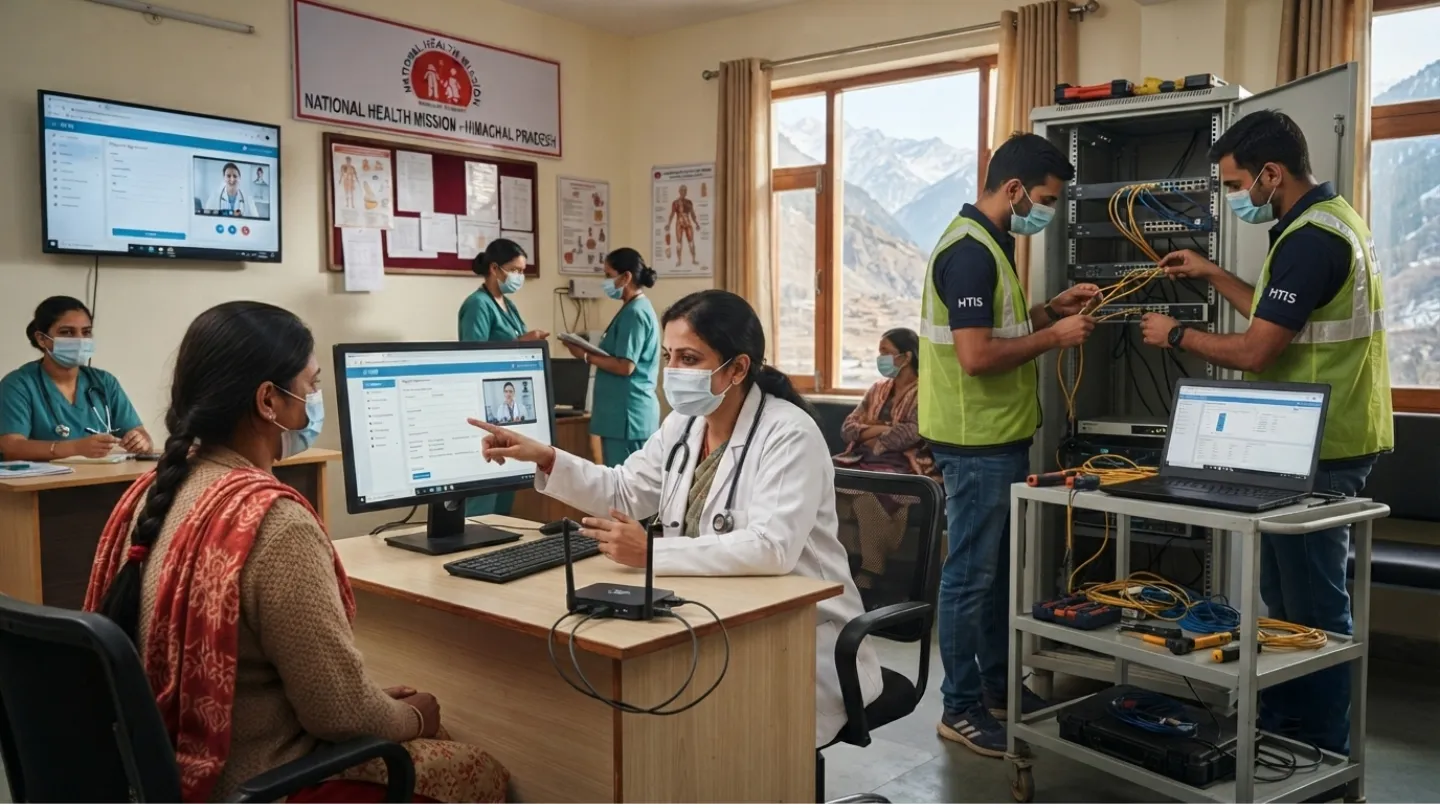
HTIS staged the rollout around live airport operations so that security coverage remained active throughout the transition. New IP cameras were commissioned in clusters, while biometric checkpoints were introduced first in staff-only routes before expanding into broader controlled zones.
The goal was not only to add more devices, but to make alerts, identity events, and live video easier for operators to act on.
The final command-room workflow connected access events with matching camera feeds, helping operators move from passive monitoring to faster incident verification.
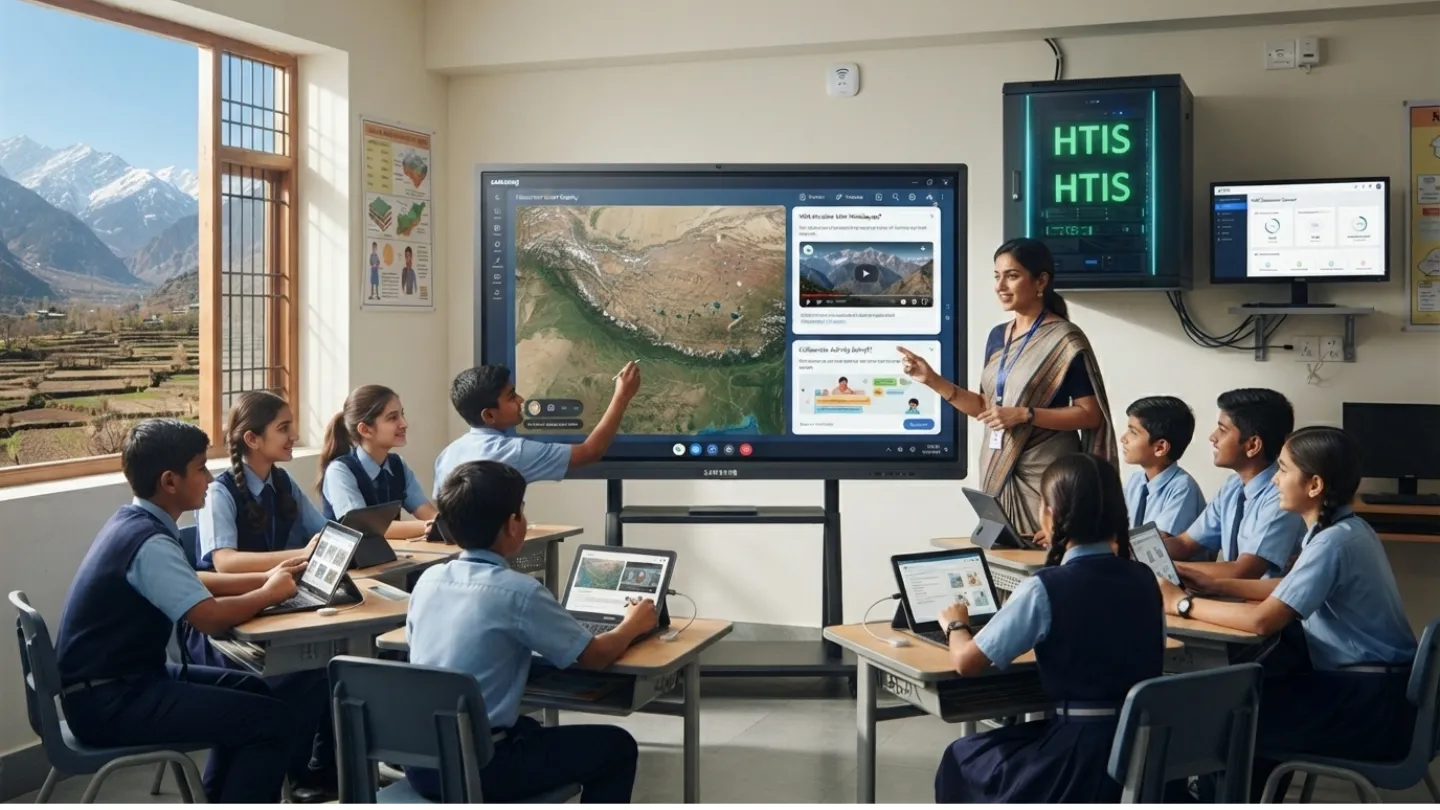
After deployment, the airport team gained a single operational view across passenger halls, staff gates, service corridors, and perimeter areas. This reduced manual cross-checking between systems and helped the security team respond faster during peak movement windows.
For a production case study, this section could include a richer story around stakeholder alignment, rollout phases, lessons learned, or a link to a downloadable modernization brief.